Trustees’ Week is a national celebration taking place this week from 9 – 13 November 2026. As part of our celebrations we are sharing a series of local trustee stories and our top tips for trustees. New stories and advice will be added to this page throughout the week.

Dedicated volunteers and trustees are at the heart of Orkney’s third sector. They give their time, share their skills, offer fresh ideas and take on responsibilities to help organisations deliver the services and activities that communities rely on.

Our trustee stories offer a personal insight into what it means to be a trustee, celebrating the different experiences, motivations and skills people bring to their roles.

From Chairpersons and Treasurers to Secretaries and other Board Members, they showcase the variety of roles trustees undertake and the positive difference they make to the organisations and our communities they support.
Day 5. Trustee Story - Being a trustee on multiple boards

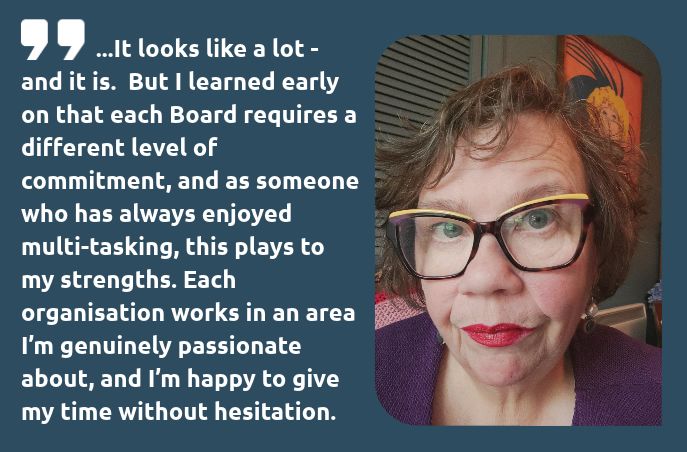
Hayley's Trustee Story

When Hayley moved to Orkney in October 2014, she was already a member of the Orkney Archaeology Society and was keen to get practically involved — partly to support the charity’s aims…

Our Top 5 Tops for Trustees

  • 1. Understand your role and responsibilities.

    Make sure you understand your legal duties as a trustee and what is expected of you. Act in the organisation’s best interests, support its charitable purposes, use its resources responsibly and ensure you understand the constitution or governing document. Remember that being a trustee is an active responsibility, not just attending meetings.

  • 2. Read the papers and come prepared.

    Take time to read board papers before meetings and think about the key issues, risks and decisions that need to be made. Ask questions if something is unclear, request further information when needed and don't be afraid to challenge assumptions constructively. Your contribution is most valuable when you are informed and engaged.

  • 3. Share responsibility and make decisions collectively.

    All trustees share equal responsibility for the organisation’s governance, decisions and actions. Ask questions about financial reports, potential risks and how resources are being used. Remember, responsibility does not rest with one individual trustee — the board is collectively accountable for the decisions it makes and the direction of the organisation.

  • 4. Help identify and engage potential new trustees.

    Take an active role in identifying people who could bring valuable skills, experience, knowledge or fresh perspectives to the board. Think about any gaps in the board’s current skills and help spread the word about trustee opportunities.

  • 5. Put the organisations interests first.

    Always act in the best interests of the organisation and the people it exists to support, rather than pursuing personal interests or agendas. Make decisions that support the organisations purposes, values and long-term sustainability, even when those decisions may be difficult or differ from your own personal views.

Day 4. Treasurer Trustee Story

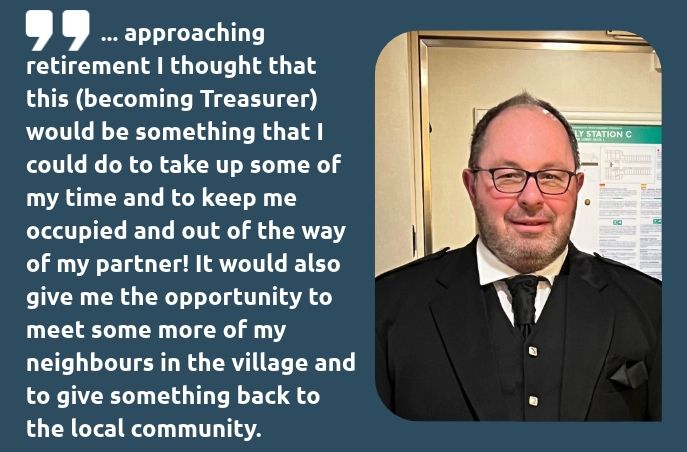
Paul's Trustee Story

Paul saw an advert for a treasurer at Quoyloo Old School at VAO's office when it was in Bridge Street.

Our Top 5 Tips for a Treasurer

  • 1. Keep all supporting paperwork for income and expenditure.

    Make sure receipts, invoices, bank records and other supporting documents are retained for all money received and spent. Good record keeping provides a clear audit trail, supports financial reporting and demonstrates accountability.

  • 2. Use a dedicated charity email address.

    Set up and maintain a single charity email address for accessing online services such as utilities, funding portals and supplier accounts. This helps ensure continuity when committee members change and prevents important information from being lost.

  • 3. Have at least 2 authorised individuals on all accounts.

    Ensure bank accounts, utility accounts and other key organisational accounts have at least two authorised individuals with access where appropriate. This strengthens financial controls, reduces risk and helps maintain access to accounts if one person is unavailable or leaves their role.

  • 4. Count and reconcile cash in hand at the financial year-end.

    If your organisation handles cash, count the cash held on the final day of the financial year and reconcile it with your records. This helps ensure accounts are accurate and complete.

  • 5. Do your bookkeeping little and often.

    5. Rather than leaving financial records until the end of the month or year, update them regularly in small, manageable chunks. This makes bookkeeping less overwhelming, helps identify issues early and keeps financial information up to date.

Day 2. Secretary Trustee Story

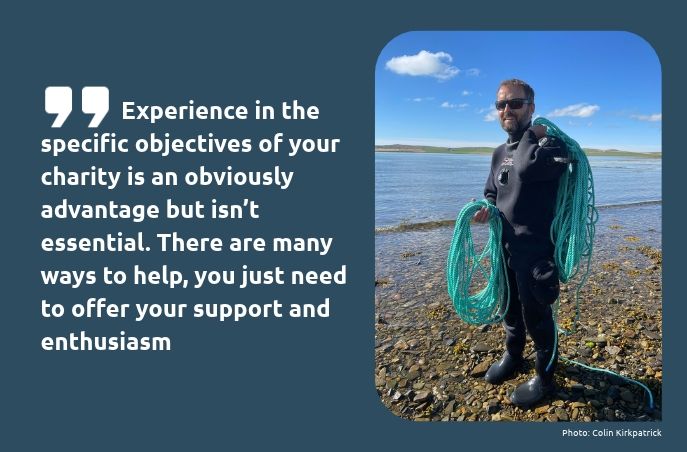
Malcolm's Trustee Story

Orkney Waters Trust is an environmental charity dedicated to restoring, improving and conserving freshwater biodiversity across Orkney.

Our Top 5 Tips for a Secretary

  • 1. Be organised and plan ahead.

    Prepare a schedule of board meetings in advance and ensure papers are circulated in good time. Keep a record of key deadlines, annual returns, policy reviews and other governance requirements so nothing important is missed.

  • 2. Make minutes clear, accurate and useful.

    Minutes should capture key discussions, decisions made, actions agreed, who is responsible and deadlines. They do not need to be a word-for-word record of the meeting. Share draft minutes promptly with the Chair for review and make sure agreed minutes are securely stored.

  • 3. Keep the OSCR trustee register up to date.

    Make sure the trustee records are accurate and kept up to date with the Office of the Scottish Charity Regulator (OSCR). Notify OSCR of changes to trustees, including new appointments, resignations and changes to their details, within the required timescales. Build trustee changes into your board administration checklist so that reporting requirements are not overlooked.

  • 4. Know the constitution and governance requirements.

    Understand the organisations constitution or governing document and relevant policies and procedures. Help ensure meetings are called correctly, quorum requirements are met, decisions follow the proper process and trustee appointments and resignations are recorded appropriately.

  • 5. Maintain accurate records and protect confidentiality.

    Keep an organised, secure record of minutes, agendas, board papers, declarations of interest and key governance documents. Handle sensitive information carefully and make sure records are accessible to those who need them while protecting confidential information.

Day 1. Chair Trustee Story

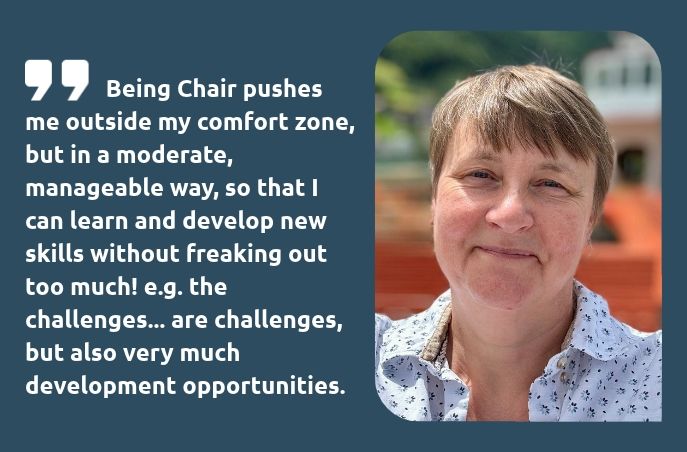
Amanda's Story

Amanda came to Orkney in 2021 and joined the Board of Relationships Scotland Orkney (RSO) shortly after.

Our Top 5 Tips for a Chair

  • 1. Keep the charity’s mission at the heart of everything.

    Regularly bring discussions back to the organisations purpose and the difference it wants to make.

  • 2. Listen well and encourage everyone to contribute.

    Create an environment where trustees feel comfortable sharing ideas, asking difficult questions and challenging decisions respectfully. Make sure quieter voices are heard and differences of opinion are welcomed.

  • 3. Know your constitution and keep it under review.

    Make sure you understand your organisations constitution, including the rules around trustee responsibilities, meetings, decision-making, appointments and terms of office. Ensure the board follows these rules and schedule a formal review at least every three years to check that the constitution remains fit for purpose and reflects the organisation’s needs.

  • 4. Stay on top of trustee conflicts of interest.

    Make sure conflicts of interest are identified, declared and managed properly. Keep the register of interests up to date, ask trustees to declare any conflicts at the start of meetings and ensure these are recorded accurately in the minutes.

  • 5. Make sure your policies and procedures are fit for purpose.

    Regularly check that the organisation has the right policies and procedures in place to operate safely, effectively and in line with its legal and regulatory responsibilities. Ask when each policy was last reviewed and updated, who is responsible for it, and whether trustees, staff and volunteers understand how to apply it. Keep a review schedule so that policies remain current, relevant and appropriate as the charity evolves.

Get news and up to date information
Logo-shapeGet news and up to date information
Sign up to receive news and up to date information.